


YT-PTS Paper Tableware Stiffness Tester
YT-PTS paper tableware stiffness tester is a specialized device for testing the mechanical properties of paper tableware.
Home > Product Center > Corrugated Cardboard and Box Testing Equipment > Details

Send from factory in 3-7 work days after receive payment
YANTE
China
100% Advance T/T
The programmer is an indispensable tool in electronic manufacturing and development. It is responsible for injecting the software soul (programs, firmware, configurations) into the hardware body (chips). Whether it is batch pre-programming before mass production of products or firmware updates during the development process, it is indispensable. It is different from a simple debugging download cable and focuses more on efficiently, reliably, and in batches completing the programming and solidification tasks of chips.

● Write Data: Write binary files (such as `.bin`, `.hex` files) into the non-volatile memory of the target chip (such as Flash, EEPROM, OTP ROM, PROM, EPROM, etc.).
● Erase Data: Before writing new data, it is usually necessary to erase the old data on the chip first (Flash and other memory types need to be erased before writing).
● Read/Verify Data:Read the data stored in the chip and compare it with the original file to verify that the write operation was correct.
● Programming Configuration: For some complex chips (such as FPGAs, CPLDs, or MCUs with fuse/option bits), the programmer can also set specific configuration bits or fuse bits to define the chip's operating mode, clock source, protection settings, etc.
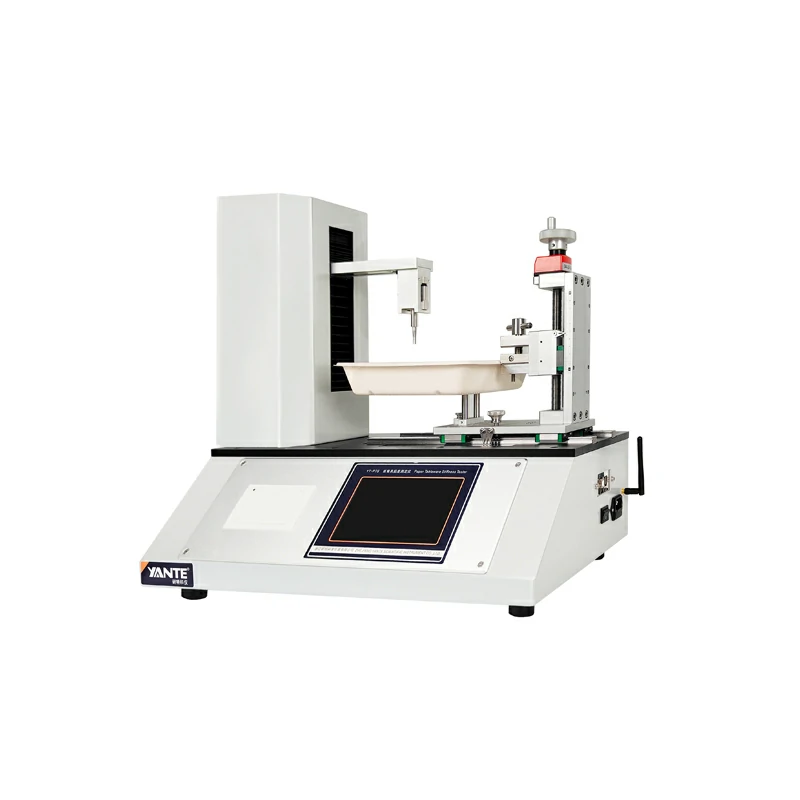
YT-PTS paper tableware stiffness tester is a specialized device for testing the mechanical properties of paper tableware.
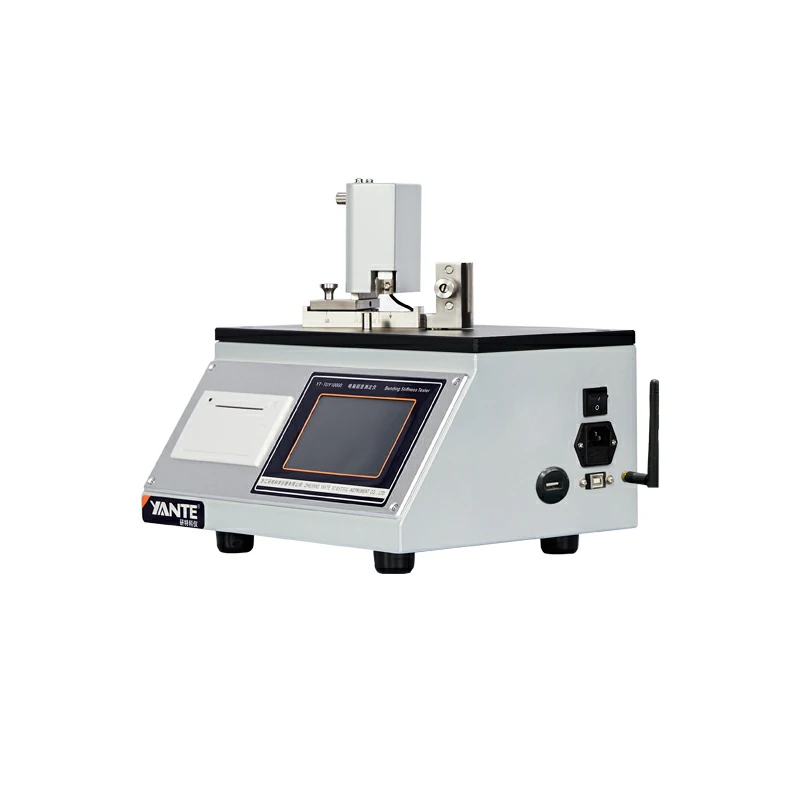
Bending Stiffness Tester is a multi-functional intelligent computerized stiffness tester, which calculates the test results intelligently and is widely used in papermaking enterprises, packaging manufacturers, quality inspection agencies and other units.
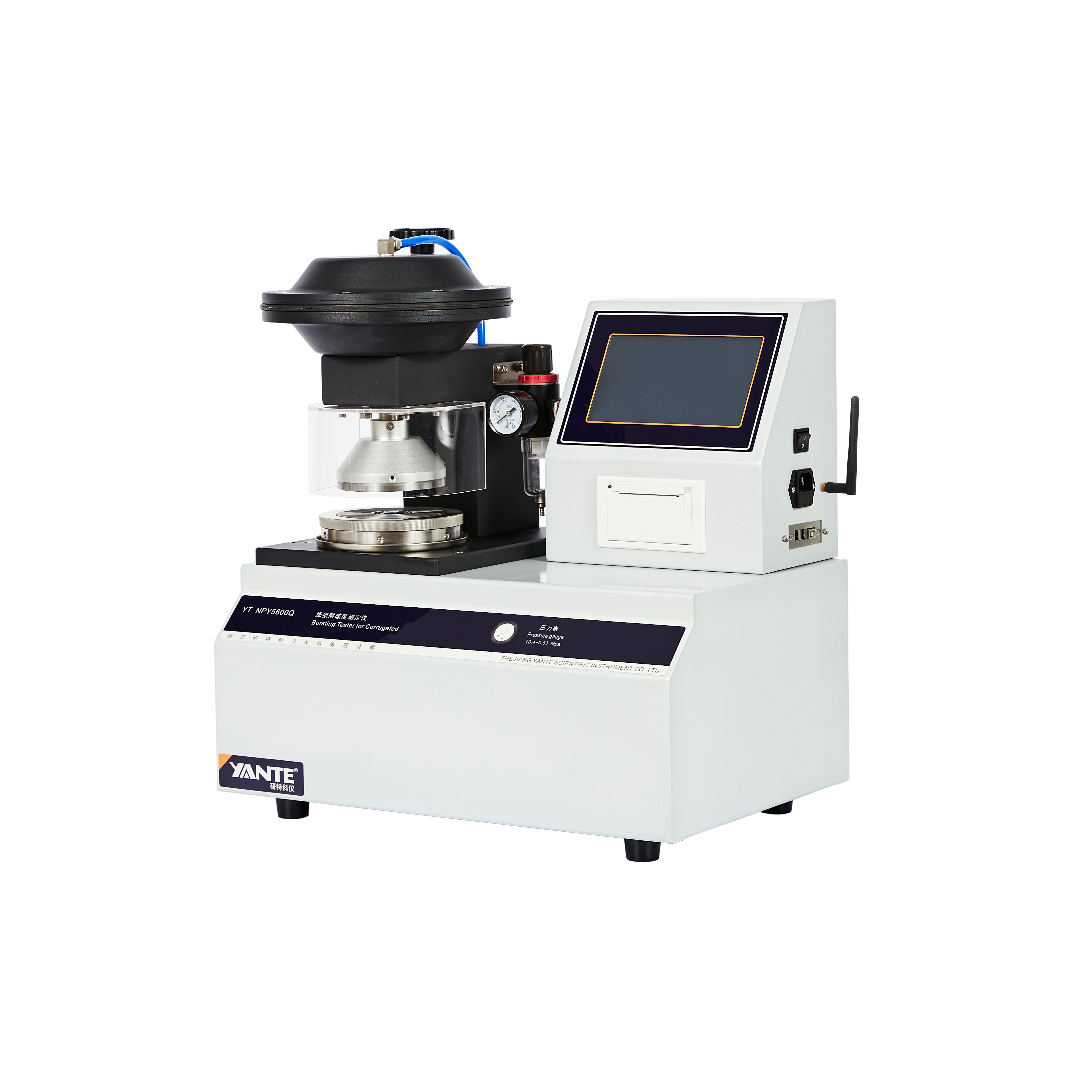
Bursting Tester for Corrugated is manufactured according to the internationally universal Mullen principle. It is a basic instrument for testing the bursting strength of paperboard. It is easy to operate, reliable in performance, and advanced in technology. It is an indispensable ideal equipment for scientific research units, paper manufacturers, packaging industry, and quality inspection departments.
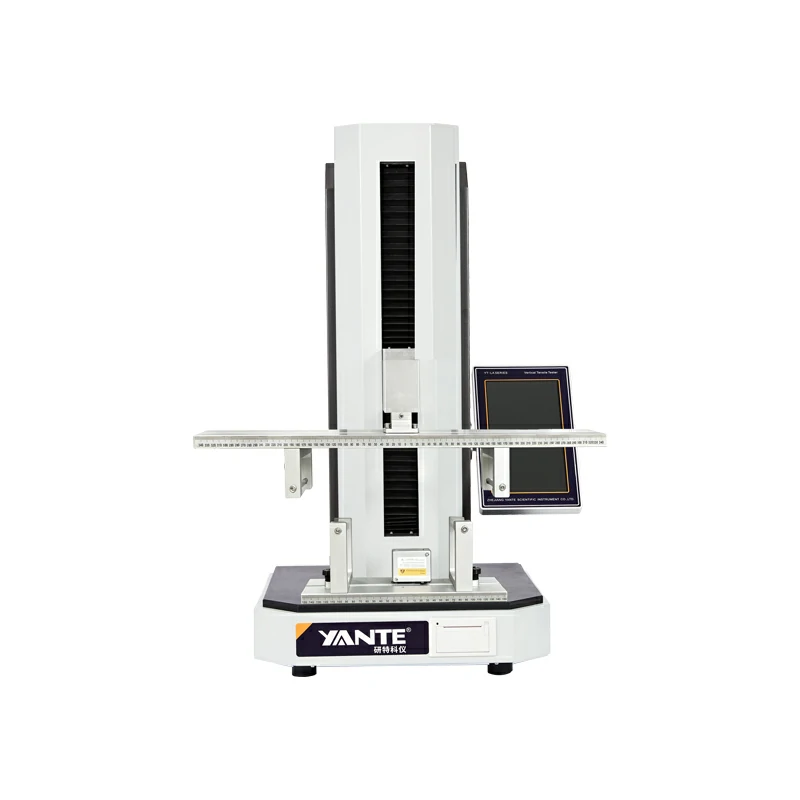
This instrument is a corrugated cardboard bending stiffness testing instrument designed and developed by our company according to the four-point loading method, which is suitable for all kinds of corrugated cardboard and cardboard.
Mobile:008615394296933
Wechat/WhatsApp:008615394296933
Mobile:008618157285292
Wechat/WhatsApp:008618157285292
Mobile:008615381147305
Wechat/WhatsApp:008615381147305
4-313 Units, No.152 Haoyun Road, Yuhang District, Hangzhou, Zhejiang P.R.China,311112.
+86-571-88013885|88743601|88743602
0571-88743603|0571-86132956
international-sales@yante.net
 33011002013339号 浙ICP备08111689号
